
This five spice salad dressing is a quick and easy way to elevate your salads with a delicious Asian-inspired flavour. It’s lovely over grains (quinoa, rice, couscous), cooked and raw vegetables too. It accompanies either a simple meal or an Asian or Middle Eastern meal. Health benefits Made with apple cider vinegar for gut health,…
saladdressing
Avocado Dressing
This creamy avocado dressing is a delicious and versatile addition to salads, grain bowls, or roasted vegetables. Made with fresh ingredients like ginger, garlic, and lemon, it’s packed with flavour that will elevate any even the simplest salad or veggie side, while packing a nutritional punch! Health benefits Avocado is rich in healthy monounsaturated fats,…
Healthy Salad Dressings – 3 Recipes to Jazz Up Salads & Vegetables
A few months ago we went to a sailing club with a group of friends and family for lunch. I ordered fish and salad, a safe bet, but when it came I struggled to eat it. Not because it wasn’t a nice piece of fish, the salad was lovely and fresh, but the cheap, processed salad dressing just killed it for me. I realised it had been SO long since I’d eaten anything but a homemade (vegetable oil and sugar-free) salad dressing, that this one was a real insult to my senses. My husband said I should have stuck to the Parmigiana!
Okay, I’m sure at this point you’re thinking, get over your fussy self and just eat the and bloody meal! I did just that, but it really made me realise just how a good dressing can make or break a meal. I also resolved that I might have to become a ‘dressing on the side’ kinda girl from now on.
Why you should always avoid shop bought dressings
Looking at the ingredients list, even the ‘natural’ dressings are a nutritional disaster and need to be avoided. Most are a combination of highly processed vegetable oils, sugar (many of the dressings on the market list it as the third ingredient), sulphites and other damaging and allergenic additives. To read more about the dangers of vegetable oils and why we need to avoid them, click HERE.
Why homemade dressings are healthy
Where processed salad dressings are so bad, homemade dressings are really good for you and super simple to make. The monounsaturated fats in extra virgin olive oil are beneficial to your health and when served with salad and vegetables, actually enhance the absorption of the fat-soluble vitamins found in them. The acid half (vinegar or citrus juice), assists in the digestion of vitamins and minerals, most of which are more efficiently absorbed in an acidic environment. Plus, vinegar is a source of acetic acid, and acetate is fabulous for modulating immune responses via the gut.
Plus they taste incredible and make eating a salad, steamed or roasted vegetables, so much more enticing and interesting. Salads and vegetables will never be boring again and you may just win over veggie/salad fussy little ones with a really tasty dressing!
Rule of thumb
The rule of thumb with any dressing is approximately 3 parts oil to 1 part acid (vinegar or citrus juice). Always taste your dressing before pouring, it should be on the acidic side as once dressed the salad and veggies will balance this out. Dress your salad or veggies just prior to serving and be careful not to overdo it, less is more (you can always add more if you need to).
I like to make my dressings in small jars. It’s a quick no mess way to make dressings and you can throw any leftover in the fridge for another day. I also mark jars so that my kids can make dressing for me without even measuring the oil/vinegar.
Ingredients
Using just a handful of fresh ingredients like olive oil, vinegars, and lemon juice, these dressings are quick to make and versatile. You can even customise them with fresh herbs or dried herbs, clove garlic, or mustard for extra depth of flavour, making them as simple or as fancy as you’d like.
How to make homemade salad dressings
To make these salad dressing recipes, all you need to do is mix the ingredients in a small jar and give it a good shake. Whether it’s the creamy French dressing with mustard and garlic, or the bright lemon dressing with zest, they come together in under five minutes and are ready to serve.
Serving suggestions and how to store
Drizzle these healthy homemade salad dressings over fresh salads, use them as a marinade, or toss with roasted vegetables for extra flavour. Leftover dressing can be stored in an airtight container in the fridge for up to a week—just give it a quick shake before using again.
Vary healthy salad dressings suit your dietary needs
To make these dressings gluten-free, simply ensure your vinegar is gluten-free. If you prefer a garlic-free option, just skip the garlic—it won’t compromise the flavour. They’re already dairy-free so there’s no adjustment there. You can also experiment with infused oils or swap balsamic vinegar for raspberry vinegar for a low-fructose alternative!
For more quick, easy healthy salad dressing recipes, click HERE.
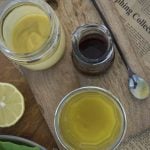
Healthy salad dressings - 3 recipes to jazz up salads and vegetables:
Whip up these healthy salad dressings to elevate any meal with a burst of flavour. From a creamy French dressing to a zesty lemon option, these simple and wholesome dressings come together in minutes and can transform a basic salad into something special.
Ingredients
Creamy French dressing
- 6 tbsp extra virgin olive oil -extra virgin
- 2 tbsp red wine vinegar -or white wine or apple cider vinegar
- 1 tsp dijon mustard
- ¼ clove/s garlic -crushed (optional)
- Sea salt and freshly ground black pepper -to taste
Balsamic vinegar dressing
- 6 tbsp extra virgin olive oil -extra virgin (this is also lovely with lemon infused EVOO)
- 2 tbsp balsamic vinegar (for fructose free, choose a sugar-free raspberry vinegar instead - I love Young's Already Famous Raspberry Vinegar)
- Sea salt and freshly ground black pepper -to taste
Lemon dressing
- 6 tbsp extra virgin olive oil -extra virgin
- 2 tbsp lemon juice
- 1 lemon/s -zest finely grated
- Sea salt and freshly ground black pepper -to taste
Instructions
- Place all ingredients in a small jar and shake until well combined.
- You can use these bases to add in other flavours like herbs and spices too if you like.
Store
- Store leftover dressing in an airtight container (jar) in the fridge.