
This Cinnamon Roll Smoothie is a naturally sweet treat, perfect with breakfast or at the end of a long school day. It’s a nice thick smoothie, or could be used as a smoothie bowl with additional granola, fruit, nuts or seeds sprinkled over it. The banana does need to be very ripe, if not, you…
Smoothie
Banana Strawberry Smoothie
This Banana Strawberry Smoothie is a simple but super delicious flavour combination. Banana is the ultimate smoothie companion, giving creaminess, fibre and potassium. Strawberries are sweet and colourful and provide some Vitamin C and manganese. I add in raw cauliflower for a bit of hormone and gut support (trust me, you wouldn’t know it was…
Immune Support Smoothie
Sometimes a really quick and easy way to support the immune system is with a smoothie. This Immune Supportive Smoothie has been curated to do just that! Health benefits There are many benefits of this combination of ingredients: Pineapple – Pineapple is a good source of vitamin C and other antioxidants. Pineapple contains an enzyme…
Sweet Potato Golden Mylk
This Sweet Potato Golden Mylk is perfect if your digestion is struggling or you enjoy a more warming smoothie or a warm drink. I love adding cooked sweet potato to smoothies, it adds nourishment, fibre and a creamy texture. You can also use this recipe as a base and add the fruit of your choice…
Peanut Butter Smoothie
My family love this quick and simple Peanut Butter Smoothie. We don’t add extra sweetener, but if you’d like to you can (this may be necessary if your bananas aren’t ripe enough). A teaspoon or two of honey would suit this nicely if needed! Health benefits This smoothie is packed with protein, fibre, and healthy…
Chocolate Banana Smoothie
This dairy-free Chocolate Banana Smoothie recipe is super easy and delicious. It’s a refreshing, nutritious drink perfect for breakfast, a midday snack, or a post-workout refuel. My son does a lot of sport, and a lot of growing…he’s like a weed. Whereas my daughter has had definite spurts over the years, Jesse just grows at…
Orange Pineapple Smoothie
This Orange Pineapple Smoothie is a citrusy and bright breakfast (or anytime) smoothie that’s delicious and nourishing. I know you’ll love this as much as I do…it’s tasty and just feels good. Health benefits The bioflavonoid bromelain in pineapple is a proteolytic enzyme (meaning it breaks down proteins). It is thought to boost immune function…
Peach Ginger Coconut Smoothie
The Peach Ginger Coconut Smoothie is a blend of fresh peaches, ginger, and coconut yogurt. This refreshing gluten-free and dairy-free smoothie is perfect for a quick breakfast, snack, or healthy dessert. Late last year my niece got married in Brisbane and we had the most wonderful weekend with family celebrating. My hubby loves food as…
Strawberry Shortcake Protein Smoothie
This strawberry shortcake protein smoothie has been an absolute lifesaver lately. You see my 10 year old son is growing at a rate of knots. He has size 10 adult mens feet (we call him ‘the hobbit’ lol) and he’s a big, athletic kid. He’s mad for sport and at the moment, he is training sometimes twice a day (athletics and nippers season is in full swing for him). So feeding him nutritionally balanced meals and snacks is especially important for his day to day wellness and his ability to train often and hard.
When I’m creating a meal, I primarily focus on the macronutrients – the balance I’m after is a complete source of protein, plant based carbohydrate (vegetables, fruit, whole grains) and good fats. I believe if they are coming from a variety of whole foods sources, the micronutrients take care of themselves.
Dietary variety really is key to good nutrition as it increases the range of micro-nutrients derived from food, therefore protecting against deficiencies developing. Carbohydrate I find pretty easy to include in meals and snacks, but ensuring a good variety of quality protein and fats, I find a little trickier.
Why is protein SO important?
We all need protein to build new cells and repair tissue. It is especially critical for kids, pregnant women, athletes, those suffering chronic illness or injury, those with dietary restrictions and the elderly. Protein is used extensively by everybody, everyday. Protein is used to make digestive enzymes, to repair the digestive tract, to make antibodies to fight infection, to grow skin, hair, nails, to make blood cells, for strong bones, to build muscle, to make hormones, to stabilise our blood sugar….I could go on forever really.
We cannot store protein, so it’s safe to say, that in order to replace, rebuild and repair, we need to consume protein very regularly.
Protein deficiency is common
In my experience, insufficient dietary protein is surprisingly common, especially amongst fussy kids, pregnant women, athletes, those with food intolerance and the elderly. The one thing that a swing towards processed foods has done, is dramatically reduced the amount of protein many people consume. You see most processed, convenience foods are generally a combination of fat and carbohydrate (breads, breakfast cereals, crackers, muesli bars, pasta and noodles). Anything with a shelf life is generally protein deficient.
It’s a bit of a vicious circle because people who are lacking protein also often reject eating it, craving high energy foods like refined, simple carbohydrate. They may also have also have a poor appetite for ‘meals’ and often just want to snack throughout the day. Poor variety is also another issue, where they may eat protein, but only from one source e.g.; dairy is common. To make matters worse, I’ve also found those deficient in protein are often also deficient in a number of key micronutrients (vitamins and mineral) found in good amounts in, you guessed it, protein rich foods. These micronutrients not only support their health, but help to build a robust appetite for other good foods (like veggies).
Protein supplementation
As you know, I’m a huge advocate of persisting to teach kids to love eating a good variety of whole foods – first and foremost. If you have a picky eater The Raising Well Nourished Kids Podcast is worth a listen to support you to support your young people in developing healthy eating habits and positive relationships with and through food. You can listen on Apple Podcasts, Spotify, YouTube or your favourite podcast App!
However, just as medicine is required occasionally for illness, supplementation is often critical in restoring the appetite and desire for whole foods, especially in picky eaters. Protein supplementation is also often required for people who suffer chronic illness, are athletes or suffering with food intolerance which restricts their protein intake (egg, nut, dairy allergies for example).
It is also very helpful for those mornings that go pear-shaped and a sustaining brekkie is required quickly. As much as I’d like to serve a nutritionally balanced, high protein brekkie each and every morning, some days time is just stretched (like when my kids have a 5am swim squad and we are up at 4.30am) and a protein powder supplement is invaluable.
The vast world of protein powders
Navigating the many types of protein powders available is tricky business. Many brands are derived from feed-lot, grain-fed cows (also often fed GMO’s), highly processed soy proteins and contain franken-sugars, fructose, maltodextrin starches (aggravate blood sugars and the GIT), additives and more yuk ingredients.
Most also contain absolutely no plant fibre, good fats or micronutrients (vitamins and mineral) so nutritionally they are incomplete and not at all reflective of a well rounded, whole food meal. Thankfully, there are a select few which offer balanced nutrition and do what we need them to do – provide a sustaining, nutritious supplement, and here’s the clincher, that actually tastes good. It’s just got to taste good right?
What to look for when choosing protein powders
When choosing a wholefood-based protein powder, there are several key factors to consider to ensure you’re getting a good-quality and effective product:
Ingredients: Look for a protein powder that is derived from wholefood sources, such as 100% grass-fed collagen, pea protein, brown rice protein (preferably non GMO, sprouted and fermented), hemp protein, or a blend of these. If you’re okay with dairy, choose a Whey based protein powder, ensure it is grass-fed and/or organic. Avoid products with additives, artificial flavours, excess sugar or artificial sweeteners.
Nutritional Profile: Assess the nutritional content beyond just protein. Look at the levels of essential amino acids, vitamins, and minerals present in the powder. A good wholefood-based protein powder will offer a range of nutrients beyond just protein.
Allergen Information: Consider any allergies or dietary restrictions. Wholefood-based protein powders are often suitable for those with common allergies (e.g., dairy, soy, gluten), but always check the label for potential allergens.
Taste and Texture: Personal preference matters too. Choose a protein powder that tastes good to you and mixes well with your favourite fruits and fluid (I love making smoothies with coconut water and yoghurt) or add protein powder to recipes like pancakes, overnight oats or chia puddings. Some wholefood-based powders can have a grainier texture, which may be a consideration.
By considering these factors, you can select a wholefood-based protein powder that aligns with your dietary preferences, nutritional needs, and taste preferences, ensuring you get the most out of your protein supplement.
I personally love using this collagen protein—it’s flavourless, so it works beautifully across all kinds of recipes without altering the taste.
Health benefits of this strawberry shortcake protein smoothie
Packed with antioxidants from strawberries, protein from yoghurt and almonds, and added fibre from raw cauliflower, this strawberry shortcake protein smoothie is a nutritious powerhouse. It provides a boost of energy, supports muscle recovery, and helps maintain a healthy gut.
Ingredients
The combination of strawberries, almonds, creamy yoghurt, and a hint of vanilla creates a naturally sweet smoothie that’s satisfying and nourishing. The shortcake-inspired almonds add a delicious crunch, making every sip a treat.
How to make this strawberry shortcake protein smoothie
Start by toasting almonds coated in maple syrup and protein powder for a crunchy shortcake topping. For the syrup, blend strawberries and maple or rice malt syrup. Then, blend the smoothie ingredients—frozen strawberries, cauliflower, coconut water, yoghurt, vanilla extract and plain or vanilla protein powder—until creamy. Assemble by swirling the strawberry syrup in the glass, pouring in the smoothie, and garnishing with the crunchy shortcake topping.
Serving suggestions and how to store
Serve this smoothie immediately with the crunchy almonds piled on top for the best texture. Leftovers can be frozen into popsicle moulds or small containers for a quick, nutritious snack later.
Vary this strawberry shortcake protein smoothie to suit
For a vegan option, use coconut yoghurt and a plant-based protein powder. If you’re short on time, blend all the ingredients together without worrying about the syrup and layering. Want a nut-free option? Swap almonds for sunflower or pumpkin seeds.
For more delicious, easy to make healthy smoothies, click HERE

Strawberry Shortcake Protein Smoothie
This is a delicious, super simple recipe that we often have for breakfast or for an after school, pre-sport snack (I pop it in a thermos to keep it nice and cold)…
Servings: 2
Ingredients
Shortcake
- 35 g raw almonds (¼ cup)
- 1 tbsp maple syrup
- 1 serve/s wholefood protein powder -vanilla or plain flavour
Syrup
- 4-5 fresh strawberries
- 1-2 tbsp rice malt syrup or maple syrup
Smoothie
- 1½ cup/s frozen strawberries
- 2 floret/s cauliflower -raw and roughly chopped
- 60 ml coconut water (¼ cup)
- 250 g natural, Greek or coconut yoghurt (1 cup)
- 2 serve/s wholefood protein powder -vanilla or plain flavour
- 1 tsp vanilla -powder, extract or essence
- 2 fresh strawberries -sliced into flat edged quarters (for garnish)
Instructions
Shortcake
- On a tray line with baking paper place the almonds and drizzle with the syrup. Toss to coat. Sprinkle over the protein powder and toss to coat the nuts.
- Place under a low grill to toast for 5 minutes (watching carefully so they don't burn).
- You can always do a big batch of the nuts for a fabulous, protein rich snack (store in an airtight jar in the fridge but be careful - they are soooo moorish).
Syrup
- In a high powered blender place the strawberries and the syrup. Blend for 10 seconds to make a syrup and pour into the serving glasses. If using a Thermomix speed 8, 10 seconds.
Smoothie
- Without washing the blender, add the frozen strawberries, cauliflower, coconut water, yoghurt, vanilla and protein powder. Blend well until smooth and creamy. If using a Thermomix speed 9, 30 secs.
- Tilt the serving glass so the syrup coats the sides. Place the cut strawberries on the sides of the glass and carefully pour in the creamy smoothie touching the sides three times to create the streaky finish.
Serve
- With the roughly chopped nuts piled on top.
Store
- Leftovers can be frozen into little cups or ice-block moulds for a fast, healthy snack another day.
Notes
Shortcut
If you aren't bothered about how it looks, just add all of the ingredients for both the syrup and smoothie into the blender at once.Vegan
Choose the vegan protein blend and coconut yoghurt.Make ice-blocks
My kids love this blend frozen into ice-blocks. These are super convenient for a nutritious snack on the go.Enjoy (I know you will :)). Post your comments and any questions in the comments below.
6 Vegetables to Hide in a Smoothie (including recipes)
No matter what I’m cooking, I’m always thinking about how I can inject more nourishment, especially when it comes to feeding my kids. Because children are growing so rapidly, they have higher nutritional needs but much smaller stomachs, which means every mouthful has to count. One of my favourite ways to make this happen is by finding vegetables to hide in a smoothie – it’s a simple way to sneak in extra nutrients without a fuss.
One tip I always share with parents of finicky eaters is to work with what their kids already enjoy. If they love noodle soup, add a few extra vegetables next time. And if smoothies are their thing, fruit is a great start, but vegetables can give them a real nutrient boost. That’s why today I’m sharing my six favourite veggies that disappear beautifully in a smoothie.
Start small
When adding vegetables, start with a small amount and increase the quantity over time. If you happen to overdo it and the kids don’t like the taste of the smoothie, you can always add more fruit, re-blend (and freeze any leftover smoothie into ice blocks/ popsicle moulds).
Don’t rely on only ‘hiding’ vegetables
Whilst I am a huge fan of ‘boosting’ nutrition, I’m not a fan of always having to ‘hide’ vegetables for fussy eaters (in the long term at least) and you can read my views on hiding food and tips for veggie fussy kids here. Having said that, I do generally choose to ‘boost’ my kids smoothies with veggies they generally don’t enjoy eating in their whole form, just to increase their nutritional variety. I figure if they can’t taste it, why not add it?
My kids now know that vegetables belong in smoothies, so when they make their own, they generally add at least one. My 8yr old son who loves to experiment in the kitchen recently added rocket leaves to a blueberry smoothie he made for the family for breakfast – lets just say rocket is not on the following list of veggies to add to a smoothie!!
Which vegetables to hide in a smoothie…
1. Avocado
Okay, technically a fruit, but seeing as it doesn’t add any sweetness, I’m adding it to my list of nutrient boosters.
Why? Avocado is a rich source of mono-unsaturated fatty acids and one extremely nutrient dense fruit containing a wide variety of vitamins, minerals and antioxidants. It really helps a smoothie to be more sustaining and its potassium content makes is great to add to a smoothie before kids sport.
How? Avocado adds a lovely creamy, mousse like texture to smoothies so add it to your favourite combo. It is a secret ingredient in my Fruit Whip and Chocolate Breakfast Smoothie recipes.
2. Cauliflower
Raw cauliflower is pretty much undetectable in a smoothie. You will just need a good, high powered blender to process it smooth though.
Why? Cauliflower contains a rich supply of health-promoting phytochemicals, especially protective antioxidants and anti-inflammatory compounds. It supports digestion and liver detoxification and is a rich source of vitamin C.
How? Break it up into florets, wash and keep in a container to add to your morning smoothie. Because it is white it won’t effect the colour of the smoothie which is a real bonus. Start with one floret and build up to more if you like. Here’s a recipe for my Strawberry Shortcake Smoothie.
3. Zucchini (courgette)
Zucchini is one of my kids least favourite vegetables, especially cooked. But adding it raw into their smoothie, they are none the wiser.
Why? Zucchini (also know as courgette), is extremely low in calories and loaded with fibre. It is also a great source of potassium and vitamin C.
How? Zucchini is very tasteless and also doesn’t effect the colour of a smoothie much so is perfect to add a fibre and nutrient boost to your favourite smoothie. I add about the size of a quarter cup of zucchini to most smoothies.
4. Baby Spinach
Baby spinach is also rather tasteless but it does turn smoothies green. So for kids that aren’t keen on ‘green’ – it’s best to blend it with a chocolate smoothie so the colour is disguised.
Why? Spinach is host to a huge variety of vitamins, minerals, fibre and protective plant compounds. It’s just good!
How? As long as the colour isn’t a problem, add a handful to any smoothie. It is lovely in this Tropical Smoothie (which also contains avocado) and I love to add it to my Pine-Lime Splice (often with a handful of mint, it’s so good).
5. Sweet potato
Sweet potato can be added to smoothies either raw or cooked. For raw sweet potato you’ll need a powerful blender to ensure it is able to be processed smooth
Why? Sweet potato is a fibre and beta carotene rich veggie. It is host to good amounts of vitamin C, B vitamins and essential minerals.
How? Add a small piece of raw sweet potato or left over cooked sweet potato to any smoothie. I love raw sweet potato combined with orange and ginger.
6. Beetroot
Raw beetroot in a smoothie needs to be peeled and you also need a powerful blender to ensure it is able to be processed smooth.
Why? Beetroot is an anti-inflammatory, antioxidant, detoxifying and extremely nutrient rich vegetable. Research suggests it improves stamina and sports performance (this fact alone appeals to my sport loving kids).
How? Depending on the size of your beet, you will only need to include a small amount of beetroot. I love it with berries and chocolate so this Coco-beet Berry Smoothie is a delish combo that my whole family loves.
Well that’s it for my favourite vegetables to hide in a smoothie. What are your favourites and are there any I missed? Post your comments and questions below.
Coco-Beet Berry Smoothie
This Coco-Beet Berry Smoothie is a delicious and nutritious drink that’s perfect for breakfast or as a satisfying snack. With a blend of frozen berries, cacao powder, and the earthy sweetness of beetroot, this smoothie is not only packed with flavour but also loaded with antioxidants, healthy fats, and essential vitamins. It’s an easy way to start your day on a healthy note or enjoy a refreshing pick-me-up anytime!
Most mornings, my 7yr old son (the most laid back individual in the world and not particularly partial to anything to domesticated), makes the family a smoothie. Usually, he sticks to favourite combinations like berry, spinach, banana or pineapple, spinach, lime and mint; but occasionally, with a little guidance he likes to get creative.
My only stipulation with the morning smoothie is that it has a little veg in it (and he usually picks spinach or avocado). But one day recently he decided that we should try beetroot in the smoothie. A few weeks on, we’ve been fine-tuning this recipe and I think we’ve got to the really delicious stage, worthy of officially sharing.
Health benefits
This smoothie is a powerhouse of nutrition! Beetroot is an anti-inflammatory, antioxidant, detoxifying and extremely nutrient rich vegetable. Research suggests it improves stamina and sports performance (this fact alone appeals to my sport loving kids). Berries provide carbohydrates, vitamin C and antioxidants that help fight inflammation and support your immune system, while cacao powder adds a rich chocolate flavour along with magnesium for energy. The coconut water is rehydrating and the nut butter a great source of healthy fats and protein, keeping you full and satisfied.
Ingredients
To whip up this delicious beetroot smoothie, gather frozen raspberries (or frozen strawberries or a mix), cacao powder, peanut butter (or your favourite nut butter), rice malt syrup (honey or maple syrup), fresh beets, and coconut water.
How to make this beet smoothie recipe
Simply peel the beetroot and blend all the ingredients together in a high-powered blender until smooth. If you’re using a Thermomix, just blend for about 30 seconds on speed 9. It’s that easy! Pour into a glass and enjoy immediately for a refreshing and nutritious treat.
Serving suggestions and how to store
This coco-beet berry smoothie is best enjoyed fresh. If made with frozen berries it’s thick enough to turn into a smoothie bowl. If you have leftovers, you can freeze them into little cups or ice-block molds for a great snack another day.
Vary this coco-beet berry smoothie to suit
This smoothie is gluten-free, dairy-free and grain-free. But feel free to customise it to suit your dietary preferences! If you’re avoiding coconut, simply swap out the coconut water for your favourite milk (dairy or almond milk or coconut milk). For a nut-free version, replace the nut butter with tahini or omit it altogether. If you’re watching your fructose intake or are vegan, use rice malt syrup as your sweetener. You can also boost the protein content by adding a scoop of wholefoods protein powder for an extra nutritious kick!
Take a look at the variations (below the main recipe) for suggestions to alter the recipe to suit your specific dietary requirements.
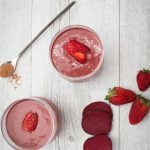
Coco-beet Berry Smoothie
This Coco-beet Berry Smoothie is a delicious way to include the super nourishing vegetable beetroot into your day. Try it, you won't be disappointed.
Servings: 2
Ingredients
- 100 g frozen raspberries (1 cup) or strawberries or a mix
- 2 tbsp cacao powder (unsweetened Dutch process or raw)
- 2 tbsp peanut butter (or any other nut butter)
- 1-2 tbsp rice malt syrup, honey or maple syrup
- ½ small raw beetroot -peeled and diced
- 250 ml coconut water (1 cup) or Coco Quench is nice too
Instructions
- Blend together in a high powered blender until smooth. Thermomix 30 seconds, speed 9.
- Enjoy as part of a very healthy breakfast or snack.
Store
- Leftovers can be frozen into little cups or ice-block moulds for a snack another day.
Notes
Coconut-free
Replace the coconut water with a nut-milk.Nut-free
Replace the nut butter with tahini (or just leave it out).Low-fructose
Choose rice malt syrup as your sweetener.Boost the protein
Stir through your favourite protein powder. I love using this collagen protein—it’s flavourless, so it works beautifully across all kinds of recipes without altering the taste.I'd love to hear how you like this veggie boosted smoothie. Post a comment to let me know.
Healthy Mango Lassi
Everywhere you look in SE Queensland, beautiful mango trees are dripping with fruit. Even if you don’t have a neighbourhood tree, they should be pretty cheap in stores right now across Australia. So I thought I would share my favourite way to make the most of this sweet summer fruit with this healthy mango lassi recipe.
BK (before kids), I spent 8 months in beautiful India and as such, developed quite a taste for the local cuisine. I travelled through a good part of this huge country, and each region claimed ‘the best’ lassi on the continent (and I may have tried them all). So since being back in Australia, I have experimented with many different versions of this classic smoothie including infusing a few medicinal herbs in the mix – food as medicine and it’s important to make every mouthful count, right! This is the result – not the super sweet traditional lassi because I haven’t added any other sweetener – but mango is plenty sweet enough I think.
Health benefits
Mango is a nutrient and fibre rich fruit (especially vitamin C and antioxidants) and I’ve read, the most consumed fruit worldwide.
Natural, full-fat yoghurt is a great source of calcium and protein and beneficial gut probiotics to support digestion and immune health.
Turmeric is one powerful herb – it’s a wonderful antioxidant, anti-inflammatory and a medicinal herb that benefits so many common health conditions (based on my clinical experience); so I just love to include it in our diet wherever possible. Much of the current research on turmeric is focussed on its potential to prevent dementia and various cancers.
Cardamom powder is also a potent antioxidant and anti-inflammatory herb. It is very calming and healing to the digestive system and supports immune function. It has a very distinctive, almost floral taste that you’ll either love or hate – personally, it is one of my most favourite flavours ever.
Traditionally this also has saffron in it, so feel free to add a few threads if you like too. So much nutrition in this delicious drink!
Ingredients
Made with fresh ripe mango, full-fat natural yogurt, turmeric, and cardamom, this recipe combines wholesome ingredients with a hint of exotic flavour. You can also add rose water for an extra fragrant touch.
How to make this healthy mango lassi recipe
Simply peel and blend the fresh mango, yogurt (or Greek yogurt), turmeric, and cardamom until smooth. Add ice, blend again, pour into serving glasses, garnish with cashew nuts or pistachios and your lassi is ready to enjoy! You can also freeze it into popsicle molds for a refreshing, healthy treat.
Serving suggestions and how to store
Serve your sweet mango lassi with a sprinkle of chopped cashews or pistachios for added crunch. If you have leftovers, freeze them into cups or popsicle moulds for a convenient snack on a hot day.
Vary this healthy mango lassi to suit
For a dairy-free or vegan mango lassi, swap the yogurt with coconut yogurt or cashew cream. You can also make a chia pudding by adding chia seeds, or replace mango with strawberries if they’re in season! If you feel your mango is not sweet or ripe enough, you might like to add a few tablespoons of maple syrup or honey for extra sweetness.
Take a look at the variations (below the main recipe) for suggestions to alter the recipe to suit your specific dietary requirements.
More delicious drinks and nutrient dense smoothies HERE.
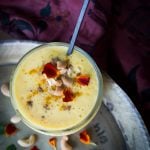
Healthy Mango Lassi
My take on a traditional Indian Lassi, this Healthy Mango Lassi is both nourishing and delicious. Check out the variations to make it into a chia pudding or ice-blocks.
Servings: 2
Ingredients
- 2 mango/s -peeled and flesh removed (see note below for using frozen mango)
- 250 g natural, Greek or coconut yoghurt (1 cup)
- ½ tsp ground turmeric
- ½ tsp ground cardamom
- 1 cup/s ice
- 1 tbsp rose water (optional)
Instructions
- In a powerful blender or food processor, puree the mango, yoghurt and spices until smooth.
- Add the ice and puree again until it is crushed.
- Serve immediately. You can also freeze into popsicle moulds for a delicious ice-block.
Note
- You can sub the mango with frozen mango cheeks and omit the ice but also add ½ cup of water.
Serve
- With chopped cashews or pistachios.
Store
- Leftovers can be frozen into little cups or ice-block moulds for a fast, healthy snack another day.
Notes
Dairy-free and vegan
Sub the yoghurt for coconut yoghurt or cashew nut cream.Chia pudding
Add ¼ cup of chia and allow to soak to make this into a delicious chia Indian style pudding.It's not mango season
Replace the mango with 2 cups of fresh strawberries.Ice-block
This is divine frozen into ice-block moulds for an icy treat.I'd love to hear how you like my version of a lassi. It's my favourite way to eat mango and I look forward to it come easy mango season.
Tropical Smoothie
With the weather warming up, and my kids up with the birds for swim squads, a quick 5am pre-training session go-to is often this tropical smoothie (or a big cup of bone broth). Yes, this little mix happens to be ‘green,’ however rather than jump on the ‘green smoothies are the bees-knees’ bandwagon, I’m going to buck the current trend and put it out there that you don’t have to drink green smoothies to be healthy.
Personally, I don’t fancy the taste of many ‘green smoothies’ and I also don’t always like the way they make me feel. My gut is pretty cast-iron, but some ‘green smoothies’ leave me nauseous and upset in the tummy. I also find them often just too sweet with lots of fruit and flavours to ‘mask’ the bitter greens. Leafy greens are so good for you, but I really just prefer to eat my greens!
Interestingly enough, from an Ayurvedic and Traditional Chinese Medicine perspective, green smoothies are not always a good idea. There are a few reasons, one is that lots of raw vegetables can be harsh on digestion and difficult to digest (especially when you drink them, you’re not priming your gut to receive them by chewing first). Also if you drink smoothies icy cold this also significantly weakens digestion (cold food and drink is really not good on digestion which needs heat to do it’s job). Also the oxalate content of green smoothies is often very irritating too. Also ‘drinking’ food dilutes gastric acids again slowing digestion down further.
Which leads me back to this tropical smoothie, which just happens to be a little green, but also delicious. Simple smoothies like this can be a good way to sneak in some extra greens for leaf-hating kids (if they can get their head around the fact that it’s green of course)! But I’d urge you to keep trying with the real deal too.
As always, I have a couple of variations for you, including changing the colour!
Health benefits
The fat from the avocado is very soothing and helps to enhance the absorption of fat-soluble vitamins. The pineapple is a fabulous source of vitamin C and bromelain which is a potent anti-inflammatory and supportive to digestion. The coconut water is hydrating and along with the banana, is a great source of minerals.
This tropical smoothie is a delicious and refreshing blend of pineapple, banana, and avocado, perfect for a quick snack or light breakfast. The coconut water adds natural hydration, making it an energizing pick-me-up for any time of day.
Ingredients
This simple smoothie uses a handful of ingredients: fresh pineapple or orange, banana, avocado, and coconut water. It’s naturally sweet and creamy, with no need for added sugars.
How to make this Tropical Smoothie
Blend the diced pineapple or orange, banana, avocado, and coconut water in a high-speed blender until smooth and creamy. Add ice if needed to reach your preferred consistency.
Serving suggestions and how to store
This smoothie is best enjoyed fresh, but any leftovers can be frozen into little cups or ice-block molds for a quick, healthy snack on another day.
Vary this to suit your dietary needs
For a green boost, throw in a handful of baby spinach, kale or fresh mint. Want to switch up the flavour? Add raspberries to turn it pink. You can also boost the protein by adding a scoop of wholefood protein powder or replace the coconut water with nut milk if you’re avoiding coconut.
Take a look at the variations below for all the details as well as suggestions to alter the recipe to suit your specific dietary requirements.
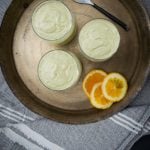
Tropical Smoothie
A simple, delicious, nourishing smoothie. The avocado adds a beautiful silky texture as well as filling good fats and loads of nutrition.
Servings: 2
Ingredients
- 1 cup/s pineapple (approx) or orange, diced
- 1 banana/s
- ½ avocado/s
- 250 ml coconut water (1 cup)
- Ice (if required)
Instructions
- Blend together in a high speed blender until smooth and creamy.
Store
- Leftovers can be frozen into little cups or ice-block moulds for a fast, healthy snack another day.
Notes
Green boost
If you want a green boost, add in a handful of baby spinach (the smoothie in the photo has this). Spinach is pretty flavourless so it hides very well behind most flavours in a smoothie. Fresh mint is also lovely with this flavour combo.Change the colour
Add raspberries to turn it pink.Boost the protein
Stir through your favourite protein powder. I love using this collagen protein—it’s flavourless, so it works beautifully across all kinds of recipes without altering the taste.Coconut-free
Replace the coconut water with a nut milk.Summer Berry Spritz
This Summer Berry Spritz is a refreshing, hydrating drink perfect for hot days. Packed with the natural sweetness of berries and the subtle citrusy kick from lemongrass, it’s a light and delicious way to stay cool. Whether you’re enjoying a picnic or just need a quick refreshment, this spritz is your summer go-to.
Health benefits
The coconut water is nature’s power-ade, naturally hydrating and rich in electrolytes and I’ve written about its wonderful benefits here. The berries are fabulous antioxidants and the lemongrass is antimicrobial.
Ingredients
You’ll need chilled coconut water, frozen mixed berries, fresh mint leaves, and some lemongrass stalks. These simple ingredients come together to create a delicious, hydrating beverage with minimal effort.
How to make Summer Berry Spritz
Divide the coconut water, fresh berries or frozen, mint, and lemongrass stalks between glasses. Once the berries start to soften, use the bruised end of the lemongrass to prod and release their flavours. Add more ice if needed and serve immediately for a cooling summer drink.
Serving suggestions and how to store
This spritz is best served fresh to enjoy the full flavour of the berries and herbs. If you have leftovers, you can store the mixture in the fridge for a few hours, but give it a good stir before serving. This spritz is perfect for outdoor gatherings or as a quick pick-me-up on a hot day.
Vary this to suit your dietary needs
If you don’t have lemongrass, lime wedges work just as well for a zesty twist. You can also recycle the lemongrass by steeping it in hot water to make a fragrant tea. Looking for a cocktail? Just add a shot of vodka for an instant summer-ready beverage!

Summer Berry Spritz
A refreshing, rehydrating summer mocktail or even cocktail, this Summer Berry Spritz is really delicious.
Servings: 4
Ingredients
- 700 ml coconut water -chilled
- 50 g frozen mixed berries (½ cup)
- 4 sprigs fresh mint leaves
- 4 stick/s lemongrass -washed and the fat end crushed and bruised (I just bash it with the rolling pin)
Instructions
- Divide your ingredients between the glasses.
- As the berries start to soften, prod them with the bruised end of the lemongrass stalk. This realises the lovely flavours of both the berries and the lemongrass.
- Add more ice if required and serve immediately.
Notes
No lemon grass?
You could substitute with quarters of lime.Recycle
Waste not! Recycle the lemon grass by folding it up and placing in a plunger and cover with boiling water to make lemongrass tea.Make a Cocktail
Add a shot of vodka for a refreshing, sugar-free summer cocktail.Love your feedback on this refreshing little number! Post a comment.
Pine Lime Splice
This Pineapple Lime Smoothie is the perfect blend of tropical flavours to refresh and hydrate you on a warm day. With the tangy sweetness of pineapple, a splash of lime, and the hydrating goodness of coconut water, it’s an easy, delicious way to give yourself a little taste of summer any time of year.
Following on from my ‘Coconut Water‘ post, I thought I’d share one of my favourite summer smoothie combos – my Pine Lime Spice is simply delicious and a whole lot more medicinal than you’d think. I love the taste of coconut water though I know a few people who just don’t. So if you want to benefit from the impressive mineral profile and hydration from coconut water – without the taste, then try it in this delicious rehydration drink (or mixer).
Health benefits
The pineapple is very anti-inflammatory (thanks to the bromelain in it), supports digestion and reduces mucous production (this is a great drink if you have a cold, especially with the mint and ginger added). It is also a very rich source of Vitamin C along with the lime. The coconut water, I’ve written about here. Most of all, it is refreshing and delicious!
How to make Pine Lime Slice
It’s as simple as blending! Toss your coconut water, pineapple chunks, fresh lime juice, vanilla, ice, and any optional ingredients like mint or ginger into a high-speed blender, and blend until smooth. Pour it into your favourite glass and enjoy right away.
Serving suggestions and how to store
Serve this vegan, dairy-free and gluten-free smoothie immediately for the best flavour, or freeze any leftovers into ice-block moulds for a refreshing snack later on. It’s also perfect as a quick and nutritious frozen popsicle treat on a hot day.
Vary Pine Lime Splice to suit your needs
If you want a minty twist, throw in a few sprigs of fresh mint. For more anti-inflammatory goodness, add some ginger or turmeric. If you’re not a fan of coconut water, swap it for nut milk (or greek yogurt), or for an adult version, add a shot of vodka for a tropical cocktail.

Pine Lime Splice
This Pine Lime Splice is one delicious, healing drink. It's so versatile so check out my variations to discover lots of ways to enjoy it.
Servings: 4
Ingredients
- 350 ml coconut water (approx.)
- ½ cup/s ice
- 4-5 cm pineapple -diced and cored
- ½ lime/s -juice
- 1 tsp vanilla -powder, extract or essence
- 3 sprigs fresh mint leaves - optional but delicious
- 1 tbsp ginger root - optional but reccomended
Instructions
- Throw it all into powerful blender or food processor and process at the highest speed until smooth and creamy.
- Serve immediately.
Store
- Leftovers can be frozen into little cups or ice-block moulds for a fast, healthy snack another day.
Notes
Make it minty
Add a few sprigs of fresh mint it's super delicious.More anti-inflammatory
Add a little ginger and/or turmeric (about ½ tsp ground ginger and /or turmeric)/Coconut-free
Replace the coconut water with a nut milk.Ice blocks
Freeze it into ice block moulds for a refreshing, healthy, frozen treat. Even add cubes of pineapple into the mould for a bit of texture.A tropical cocktail
Add a shot of vodka for a tropical inspired cocktail.Add Protein
Mix in your favourite vanilla protein powder or this Power Booster.How do you like this tropical delight? Love to hear what you think?

Download your FREE Immune Health Plan ebook – A practical guide filled with simple tips to help support your immune system so you and your family stay fighting fit this winter.
Chocolate Breakfast Smoothie (that will really get you up and on the go)
This Chocolate Breakfast Smoothie is a high fibre, protein rich, sustaining start to the day. It takes minutes to make so there is no reason at all to buy the heavily processed, nutritionally void varieties of breakfast drinks I have written about here.
If the convenience of a boxed drink is necessary, why not serve it in a sipper cup with a stainless steel straw. Same same but actually good for you!
Health benefits
This gluten-free smoothie is not just a treat but also super nourishing. Avocado is a fibre rich source of potassium and healthy monounsaturated fat (amongst many other things). It’s anti-inflammatory and supports heart, brain, and eye health. The nuts and seeds contribute more fibre, protein, and good fats. The raw cacao powder (or unsweetened cocoa powder) is a source of health-giving antioxidants. The natural yogurt is important for digestive health and a good quality cow’s milk contributes calcium, protein and many important fat-soluble vitamins and minerals. For more about the health benefits and best choices in yoghurt click here.
Ingredients in this healthy chocolate smoothie recipe
This chocolate breakfast shake is made with simple, wholesome ingredients like avocado (which gives it a creamy texture), cacao, milk of your choice (dairy or a plant based milk like almond milk), natural yogurt (or Greek yogurt), LSA, and a natural sweetener such as maple syrup or rice malt syrup. You can easily tweak it to suit your taste or dietary needs, making it incredibly versatile.
How to make this healthy Chocolate Smoothie
Just throw all the ingredients into a high speed blender and blitz until smooth and creamy! If you prefer it extra cold, toss in a handful of ice cubes or serve it over ice. It’s a no-fuss recipe that you can have ready in minutes.
Serving suggestions and how to store
Serve this smoothie chilled, either over ice or blended with ice for an extra refreshing touch. It’s thick enough to turn into a smoothie bowl too (simply top with home made granola or nuts and seeds). Leftovers can be poured into ice-block moulds or little cups and frozen for a healthy ice cream.
Vary this to suit your dietary needs
This healthy breakfast smoothie is easily adaptable! For a dairy-free or vegan version, swap the milk for your favourite plant-based milk, and use coconut yogurt. Want to add more fibre? Blend in some oats, quinoa, or chia seeds. You can also switch up the flavours by adding fruit like frozen bananas or berries instead of or with the cacao. Or add in some extra nutrition in the form of vegetables – cauliflower or a handful of spinach or kale would hide well. Check out the variations below the main recipe for tips on how to adapt it to your specific dietary needs.

Chocolate Breakfast Smoothie (that will really get you up and on the go)
This Chocolate Breakfast Smoothie is a quick and delicious way to kick-start your day. Loaded with healthy fats from avocado, natural sweetness from maple syrup or rice malt syrup, and a rich chocolatey hit from cacao, it's the perfect balance of indulgence and nourishment. Plus, it's so simple to whip up—just blend and go!
Servings: 2
Ingredients
- 30 g cacao powder unsweetened Dutch process or raw (2 tbsp)
- ½ avocado/s -flesh scooped out
- 250 ml milk (of choice) (1 cup)
- 60 g natural, Greek or coconut yoghurt (¼ cup)
- 2 tbsp LSA (or almond or hazelnut meal)
- 60 g rice malt syrup or maple syrup -more or less to taste (3 tbsp)
Instructions
- Simply place all of the ingredients in a powerful blender and blend until smooth and creamy.
- Serve over ice (or blend trhough with ice if you prefer). Can't be more simple than that!
Store
- Leftovers can be frozen into little cups or ice-block moulds for a snack another day.
Notes
Low-fructose
Sweeten with rice malt syrup.Nut -free
Replace the ground nuts with ground flax (linseed).Dairy-free and vegan
Replace the milk with a sugar-free nut milk, rice milk, coconut milk or coconut water. Replace the yoghurt with coconut yoghurt.Boost the protein
Stir through your favourite protein powder. I love using this collagen protein—it’s flavourless, so it works beautifully across all kinds of recipes without altering the taste.Increase the fibre
Add 2 tablespoons of oatmeal, rolled quinoa or soaked chia seeds (for gluten free).Different flavour
Replace the cacao with the flavour you want. Add frozen banana, strawberry, blueberries...the limit is your imagination.Add veggies
Raw cauliflower or baby spinach would work well in this smoothie.Is this a winner in your home? Let me know by posting a comment.
Coconut Berry Ice
This Coconut Berry Smoothie is one of my favourite icy treats during the warmer months. It combines the creamy richness of coconut with the sweet, tart flavour of berries, creating a deliciously refreshing smoothie or dessert that’s both healthy and satisfying.
Health Benefits of Coconut Berry Ice
This Coconut Berry Ice is more than just a tasty drink, it’s packed with health benefits. Coconut milk provides a rich source of healthy fats and essential nutrients, including potassium and magnesium. Berries are loaded with antioxidants, vitamins, and fibre, which support overall health and aid in digestion. The combination of these ingredients makes this treat a guilt-free way to satisfy your sweet tooth while boosting your nutrition.
Choosing the best ingredients
For the best results, use full-fat coconut milk for a creamy texture and richer flavour. Fresh or frozen berries (like raspberry, blueberry, strawberries or mixed berries) work well in this recipe, just make sure they’re ripe for the best taste. If you prefer a sweeter treat, you can add the sweetener of your choice like honey or maple syrup, but I often find that the natural sweetness of the berries is sufficient.
How to make Coconut Berry Ice
Making Coconut Berry Ice is simple and quick. Start by blending coconut milk and berries in a high speed blender until smooth. For added texture and goodness, you can mix in some chopped nuts or shredded coconut. Any leftovers can be placed into ice cube trays or silicone molds and freeze until solid. If you’re using ice cube trays, simply pop out the cubes and blend them again for a soft-serve texture.
Customising your coconut berry smoothie
Feel free to get creative with your coconut berry smoothie by experimenting with different fruit combinations or adding extras like chia seeds or a splash of vanilla extract. You can also layer the berry mixture with a coconut layer for a visually appealing and delicious twist.
Serving Suggestions
This Coconut Berry Ice is perfect on its own or top it with muesli or granola to make a delicious smoothie bowl. You can also serve it as a refreshing snack or dessert for kids and adults alike. Pour leftovers into popsicle moulds and store in the freezer.
Personal Experience with Coconut Berry Ice
This recipe holds a special place in my heart. Making it with my kids has become a cherished summer tradition. We love experimenting with different berries and flavours, and it’s always a hit at family gatherings. Not only is it a healthier alternative to store-bought ice creams, but it also brings a touch of homemade goodness to our summer days.
Vary this to suit your dietary needs
Check out the variations below the main recipe for tips on how to adapt it to your specific dietary needs. For a dairy-free or vegan option, swap the yoghurt for coconut yoghurt. If you’re nut-free, use ground linseed or chia seeds instead of almond meal. For a coconut-free version, replace the coconut water with your favourite nut milk. And if you’re looking to up the protein, add a scoop of your preferred whole foods protein powder.
For more delicious, healthy and easy to make wholefood treats, click HERE.

Coconut Berry Ice
This refreshing Coconut Berry Ice is the perfect, healthy treat for hot days! With just a few simple ingredients like coconut water, berries, and a touch of vanilla, you can whip up this icy snack in no time. It’s a great way to satisfy sweet cravings while staying nourished.
Servings: 2
Ingredients
- 350 ml coconut water
- 100 g berries (1 cup) fresh or frozen
- 1-2 tbsp LSA -or almond meal
- 1 tsp vanilla -powder, extract or essence
Optional extras
- 2 tbsp natural, Greek or coconut yoghurt
- 1 banana/s
Make a meal of it
- 2 tbsp homemade toasted muesli
Instructions
- Throw it all into a blender or food processor and process at the highest speed until smooth.
- If your berries are not frozen, add a little ice also.
Store
- Leftovers can be frozen into little cups or ice-block moulds for a snack another day.