
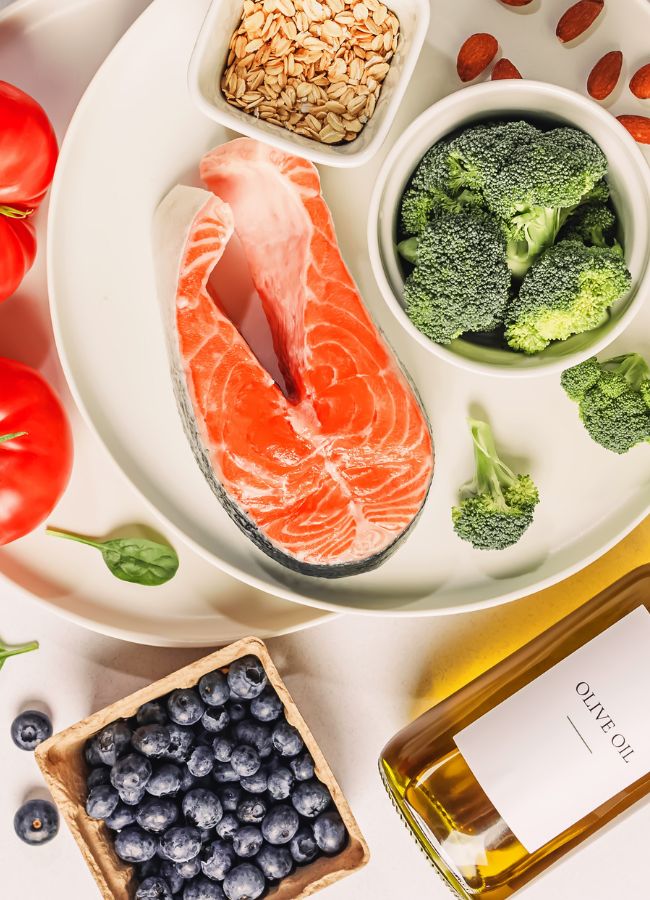
Anti-inflammatory eating gets complicated quickly in wellness spaces, superfoods, elimination diets, expensive powders, and conflicting advice about what to eat and what to avoid. But the evidence actually points somewhere much simpler, and much more achievable for a busy family.
Here’s a practical, evidence-informed guide to the foods that genuinely support a lower inflammatory load, without the hype or the overwhelm.
First: the bigger picture
Before diving into specific foods, it’s worth saying clearly that no single food is either inflammatory or anti-inflammatory in isolation. What matters most is the overall dietary pattern, the balance and variety of what you eat consistently over time. A diet built primarily around whole food, with plenty of diversity across plant foods, quality protein, and healthy fats, is inherently anti-inflammatory. A diet built primarily around ultra-processed food is inherently inflammatory. The specific foods below are the building blocks of that pattern.
Vegetables, the foundation
If there’s one dietary change with the most consistent anti-inflammatory evidence behind it, it’s eating more vegetables, and more variety of them. Vegetables provide fibre that feeds a diverse gut microbiome, polyphenols and antioxidants that directly reduce oxidative stress and inflammation, and a wide range of micronutrients that support immune regulation.
Leafy greens like spinach, kale, rocket, and silverbeet are particularly rich in anti-inflammatory compounds. Cruciferous vegetables, broccoli, cauliflower, cabbage, Brussels sprouts, contain sulforaphane, a compound with well-documented anti-inflammatory and detoxification-supporting properties. Deeply coloured vegetables like beetroot, red capsicum, purple cabbage, and sweet potato provide anthocyanins and other polyphenols associated with reduced inflammatory markers.
Practically, the goal is variety rather than volume. Eating a wide range of vegetables across the week matters more than eating large amounts of any single one.
Oily fish
Omega-3 fatty acids, particularly EPA and DHA found in oily fish, are among the most well-researched anti-inflammatory nutrients available. They work by influencing the production of resolvins and protectins, compounds that actively resolve inflammation rather than just preventing it. They also directly compete with pro-inflammatory omega-6 fatty acids at the cellular level.
The best sources are salmon, sardines, mackerel, anchovies, and trout. Aiming for two to three servings of oily fish per week is a practical, achievable goal for most families. Tinned sardines and salmon are economical options that make this easier.
Extra virgin olive oil
Extra virgin olive oil contains oleocanthal, a compound that inhibits the same inflammatory enzymes as ibuprofen, though at the levels found in a normal culinary dose. It’s also rich in polyphenols that support gut health and reduce oxidative stress. Using extra virgin olive oil as your primary cooking and dressing fat is one of the simplest, most evidence-backed dietary changes you can make.
Legumes
Legumes, lentils, chickpeas, kidney beans, black beans, cannellini beans, are one of the most consistently underutilised foods in Australian family cooking, and one of the most anti-inflammatory. They’re rich in fermentable fibre that feeds beneficial gut bacteria, plant protein, and a range of anti-inflammatory polyphenols. They’re also among the most economical ingredients you can build meals around.
Berries and other polyphenol-rich fruits
Berries, blueberries (especially wild), strawberries, raspberries, blackberries, are exceptionally rich in anthocyanins and other polyphenols associated with reduced inflammatory markers, improved gut microbiome diversity, and cardiovascular protection. Other fruits like cherries, pomegranate, and citrus also contribute meaningfully to polyphenol intake.
Nuts and seeds
Walnuts are particularly noteworthy for their alpha-linolenic acid content, a plant-based omega-3, and their polyphenol content. Almonds, Brazil nuts, pumpkin seeds, flaxseeds, and chia seeds all contribute anti-inflammatory fats, fibre, and micronutrients. A small handful of mixed nuts or seeds daily is a simple, practical addition.
Herbs and spices
Turmeric, ginger, garlic, rosemary, thyme, and cinnamon all contain compounds with well-documented anti-inflammatory properties. Used generously in cooking, rather than isolated in supplement form, they contribute meaningfully to overall dietary anti-inflammatory capacity and make whole food cooking considerably more delicious.
Fermented foods
Yoghurt with live cultures, kefir, sauerkraut, kimchi, miso, and kombucha support gut microbiome diversity, which has a direct positive effect on immune regulation and systemic inflammation. A small daily serving of fermented food is more valuable than occasional larger amounts.
What to reduce
While this post is focused on what to include rather than what to fear, it’s worth noting that ultra-processed foods, those containing refined grains, added sugars, industrial seed oils, artificial additives, and emulsifiers, have a directly negative effect on the gut microbiome and gut barrier integrity, and are consistently associated with higher inflammatory markers. This isn’t about perfection or elimination, but about shifting the balance over time.
Making it practical
The most anti-inflammatory diet isn’t a special protocol, it’s a whole food diet with plenty of plant variety, quality protein, healthy fats, and fermented foods, eaten consistently. The challenge for most families isn’t knowing what to eat, it’s having a reliable system for getting it on the table night after night.
If you’d like to understand more about where your personal inflammatory load is coming from and where to focus first, the Well Nourished Inflammation Quiz is a useful starting point.
Family Ad

Leave a Reply